Solar on a rental property: the actual case
Landlords often dismiss solar because the tenant pays the power bill. The case rests elsewhere: the system is a capital improvement you own, it improves the property's appeal and marketability, and depending on your circumstances the cost may have favourable tax treatment. The economics differ from owner-occupied solar and are worth looking at properly.
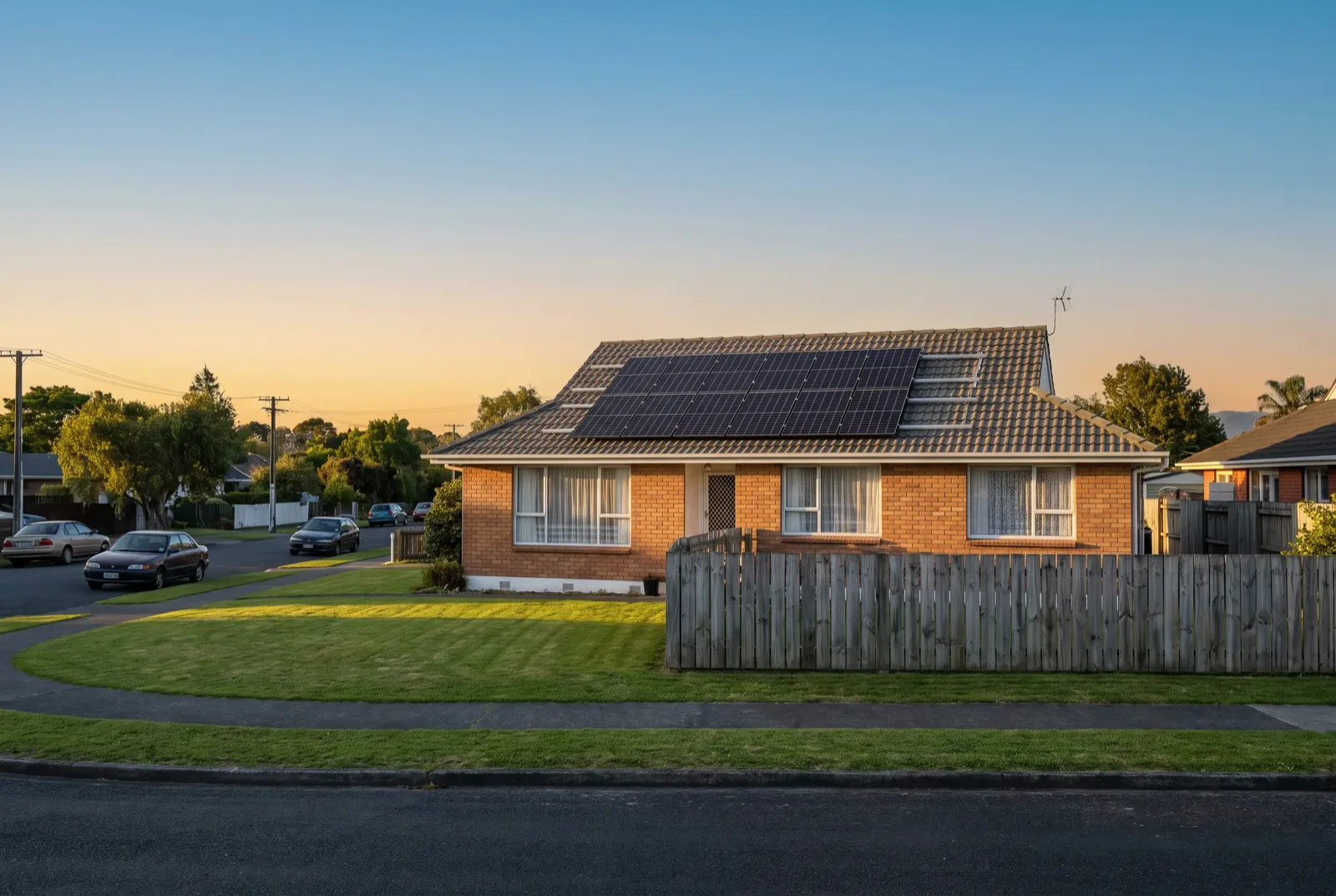
The obvious objection, answered
If your tenant pays the power bill, they get the savings and you paid for the panels. That is a real objection and it is why most landlords stop there. Here is what it misses.
You own the asset
The system is a capital improvement attached to the property. It does not leave when the tenant does, and it continues generating for 25 years.
Rental appeal and tenure
A property with materially lower running costs is easier to let, and there is a reasonable argument that it supports tenant retention. Fewer vacancy weeks is real money.
Tax treatment
Depending on your circumstances and whether the spend is treated as an improvement or maintenance, there may be favourable treatment available. This depends entirely on your situation and we are not tax advisers. Talk to your accountant before assuming anything.
Where you pay the power
If you own a property where power is included in the rent, a boarding house, a serviced arrangement or some multi-unit setups, the case is straightforward and identical to owner-occupied.
Nothing on this page is tax or financial advice. Whether solar on a rental property is deductible, and how it is treated, depends entirely on your individual circumstances and structure. Talk to your accountant or tax adviser before making a decision.
Own several rentals? Quote them together.
Doing multiple properties in one programme reduces mobilisation cost per job.
Rental property solar questions
Related
Ready to stop overpaying for power?
Get a free, no-obligation quote from a local NZ team.